
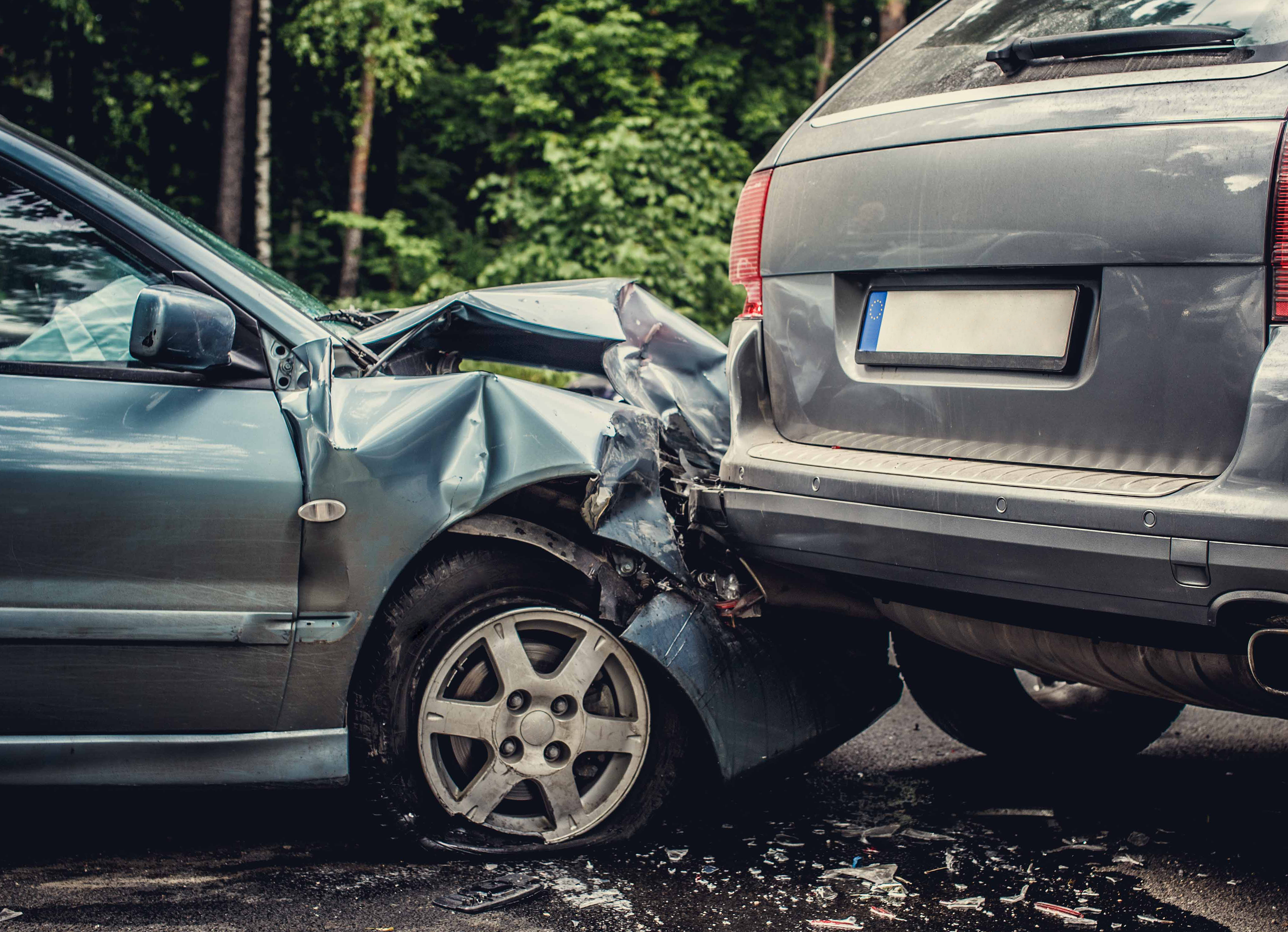
What to Do After a Collision With an Uninsured Driver
Being involved in any car accident can be overwhelming, but the situation becomes even more stressful when the other driver doesn’t carry insurance. Although most states require motorists to maintain at least basic liability coverage, many people still get behind the wheel without it. When you’re left dealing with an uninsured driver, recovering money for medical treatment, lost income, and vehicle repairs can feel uncertain — but you still have several possible paths forward.
Take Immediate Action at the Scene
What you do right after the accident can make a major difference in how smoothly the claims process goes. Begin by checking yourself and any passengers for injuries. If anyone is hurt or the vehicles have significant damage, call 911 so law enforcement can respond and create an official report. This documentation is essential, especially when the other driver lacks insurance.
While waiting for officers to arrive, collect as much information as you can. Get the other driver’s name, phone number, and address. Note the make, model, and license plate number of their vehicle. Take clear photos of the scene from multiple angles, including skid marks, vehicle positions, nearby traffic signs, and any visible injuries. Capture close-up shots of the damage to both vehicles as well.
Once the scene is safe and you have gathered the details you need, contact your insurance company to report the accident. The sooner you notify them, the easier it will be to move your claim forward. Because most states use an at-fault system — where the driver who caused the crash is responsible for damages — your insurer will rely heavily on the evidence you provide when investigating liability.
How Your Insurance May Help
If the uninsured driver is found responsible for the accident, your own policy may still offer protection. Many drivers carry uninsured motorist (UM) or underinsured motorist (UIM) coverage, which is designed specifically for these situations. This type of insurance can help cover medical bills, lost income, and sometimes even vehicle damage when the at-fault driver does not have adequate coverage.
Other optional coverages can also come into play. Collision coverage, for example, can help pay for the repairs to your vehicle regardless of who caused the crash. Personal injury protection (PIP), available in certain states, can assist with medical bills and related expenses without considering fault. These coverages serve as valuable safety nets when another driver’s lack of insurance leaves you without a clear source of compensation.
However, if you don’t carry UM/UIM coverage or other optional protections, recovering your losses through insurance may be much more difficult. In these cases, you may need to explore other solutions to recoup what you’ve lost.
Considering Legal Action
One option available to you is pursuing a legal claim against the uninsured driver. Filing a lawsuit can allow you to seek compensation for costs such as medical treatment, vehicle repairs, lost wages, and even pain and suffering. This route can be especially useful if your insurance coverage does not fully meet your needs.
That said, this approach is only practical if the uninsured driver has assets or income to cover a settlement or court judgment. Many drivers without insurance may lack the financial means to pay damages, which can make litigation less effective. Before taking this step, it’s wise to consult with a car accident attorney who can evaluate the situation and help you understand whether legal action is worthwhile.
An attorney can also explain what documentation you’ll need, how to build a strong case, and what outcomes you can realistically expect. Even if you decide not to sue, their guidance can help you navigate insurance negotiations with confidence.
Hit-and-Run Situations
Accidents involving hit-and-run drivers follow a similar process. Because the responsible driver cannot be identified, your uninsured motorist coverage usually becomes the primary source of recovery. As with other accidents, you should file a police report as soon as possible. Your insurer will also require timely notice of the incident to begin processing your claim.
Why Legal and Insurance Support Matters
Dealing with the aftermath of a crash involving an uninsured motorist can feel confusing and unfair. You might worry about paying out of pocket for injuries and damage you didn’t cause. That’s why seeking professional help — whether from your insurer, an attorney, or both — can make a meaningful difference.
An attorney can help clarify the claims process, support you during discussions with your insurance company, and ensure your rights remain protected. Understanding what your policy covers and acting quickly after the crash can greatly reduce the financial burden you face. The right guidance can also help you make informed decisions about your next steps.
While no one expects to be in an accident with an uninsured driver, preparation and prompt action can help you secure the compensation you deserve. By staying informed about your insurance options, gathering detailed documentation, and seeking professional support when needed, you can better manage the challenges that follow an uninsured motorist accident.