
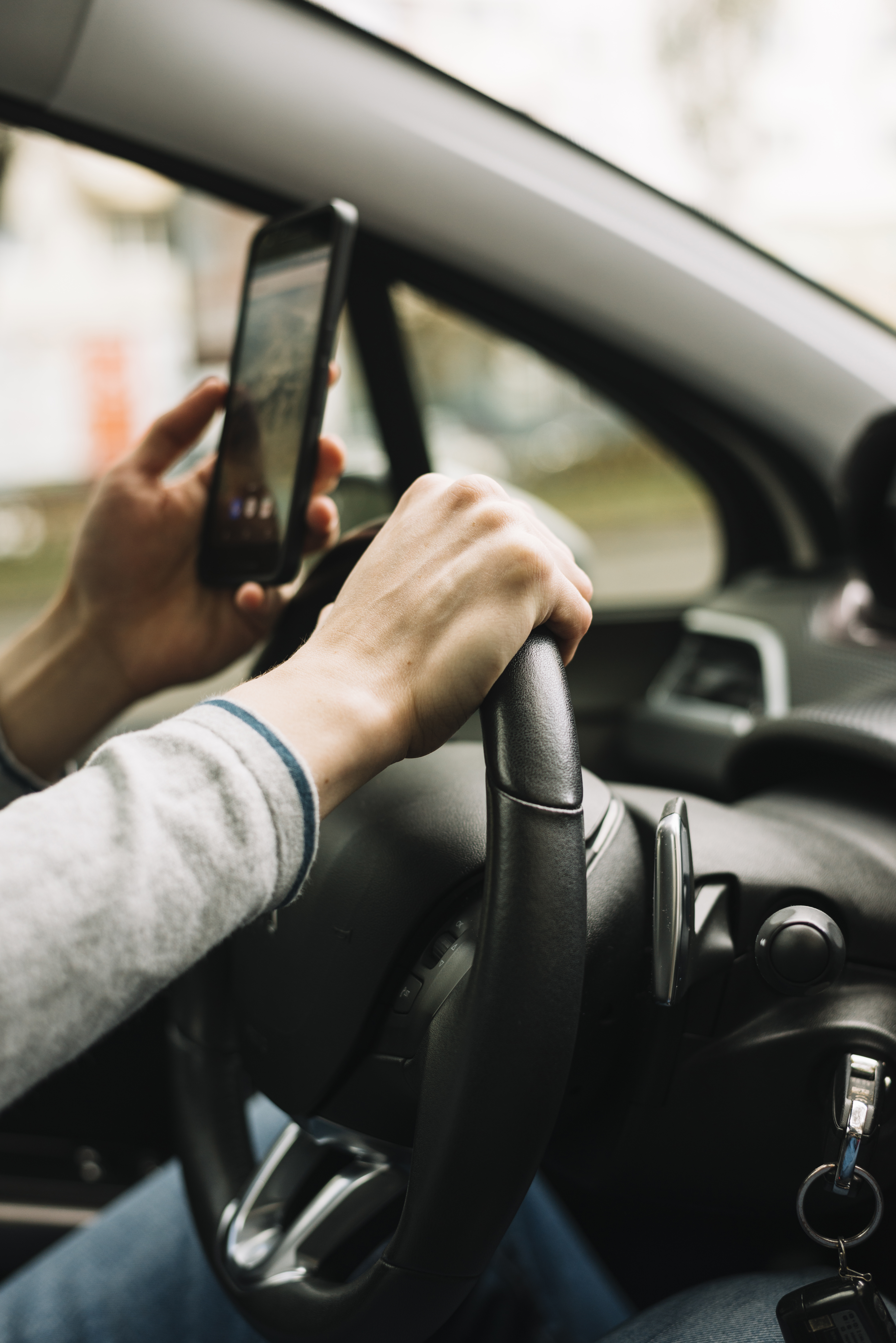
Proving Distracted Driving: How Multiple Forms of Evidence Strengthen Your Claim
Distracted driving remains one of the most common contributors to car accidents nationwide. Even with ongoing public safety efforts, showing that distraction directly caused a crash can be challenging. That’s why personal injury attorneys rely on a blend of digital, physical, and eyewitness evidence to create a complete picture of what happened. When these sources are used together, they help establish a clear link between a driver’s inattention and the collision that resulted.
With Distracted Driving Awareness Month in April, it’s an ideal time to understand how different types of evidence come together to prove negligence and support an injury claim.
Digital Evidence: Following the Trail of Device Activity
Phone Records and App Interaction
One of the strongest indicators of distraction is found on the driver’s phone. Call logs, text timestamps, and app usage patterns can reveal whether the driver was interacting with their device around the time of the accident. Even without viewing message content, activity records can suggest that the driver wasn’t fully focused on the road.
However, accessing this information can be difficult. Phone companies often keep data for limited periods, and a subpoena is usually needed to obtain it. In some cases, forensic experts may analyze a device to uncover deleted information or identify activity in background apps—such as navigation tools, messaging platforms, or social media—helping to establish a timeline of distraction.
Social Media Posts and Location Signals
Many people continue to check or update social media while driving, sometimes even posting photos or going live. These actions, while seemingly minor, can become crucial pieces of evidence in a legal case.
Location history, updates, check-ins, and app interaction patterns can show whether a driver was focused on their phone instead of the road. When this data is combined with phone records, it becomes even more convincing, offering a clearer picture of the driver’s behavior leading up to the accident.
Eyewitness Testimony and Video: Human and Visual Support
Statements From Witnesses
Eyewitnesses—including other vehicles’ passengers, nearby drivers, and pedestrians—often provide essential context in distracted driving cases. They may have seen the driver looking at a device, leaning over, or engaging in other behaviors unrelated to driving just before the crash occurred. Their testimony adds credibility to digital evidence and helps complete the narrative.
In some situations, witnesses also recall what happened immediately after the crash—such as the driver acknowledging they were on their phone or visibly holding a device. These observations can be instrumental in proving fault.
Video Footage From Cameras and Dashcams
Traffic cameras, home surveillance systems, and dashcams are increasingly common sources of evidence. If video captures the at-fault driver drifting between lanes, failing to brake, or interacting with a device, it can significantly strengthen the case.
The challenge is that this footage is often overwritten quickly—sometimes within hours. Attorneys must move fast to locate and preserve relevant video before it disappears permanently.
Vehicle and Scene Evidence: Physical Signs of Inattention
Information From Event Data Recorders (EDRs)
Most modern vehicles come equipped with EDRs, sometimes referred to as “black boxes.” These devices record crucial data moments before a crash, including speed, braking activity, steering movements, and acceleration.
If the EDR shows no evidence of braking or evasive action, it could indicate that the driver didn’t notice the hazard, possibly due to distraction. When matched with digital records or eyewitness accounts, this data helps clarify the circumstances of the collision.
Physical Evidence at the Crash Scene
Traditional accident investigation techniques remain an important part of building a distracted driving case. Skid marks—or the absence of them—vehicle damage, and the location of debris all help illustrate impact dynamics. For example, if a stopped vehicle is hit from behind without any braking marks, it strongly suggests the other driver wasn’t paying attention.
Accident reconstruction specialists often use these details to recreate the event and evaluate whether the driver could have avoided the crash if they had been attentive.
Why Quick Action Is Critical
Although these forms of evidence are invaluable, much of the information is time-sensitive. Phone logs, social media data, and video recordings aren’t kept indefinitely—many systems automatically delete or overwrite data within a short period. Legal teams also need time to issue subpoenas and secure data before it disappears.
For this reason, contacting a personal injury attorney right away after a suspected distracted driving crash is essential. A skilled legal team will immediately send preservation requests to phone companies and social networks, gather any available video footage, obtain vehicle data, analyze the crash scene, consult with reconstruction experts, and begin the legal steps necessary to protect your claim. Delays can result in losing evidence that may be vital to your case.
The Path Forward After a Distracted Driving Crash
Proving distracted driving takes more than suspicion—it requires prompt action, thorough investigation, and a well-organized strategy. Whether the distraction involved texting, social media, or navigation apps, uncovering the truth can be the key to achieving a fair outcome.
If you were in a crash and believe distraction played a role, don’t hesitate to seek legal help. A knowledgeable personal injury attorney can gather the digital, testimonial, and physical evidence needed to build a strong claim.
Contact us to discuss your situation and begin assembling a solid case backed by facts. Acting quickly can help protect your rights and ensure you pursue the compensation and justice you deserve.